





The Impact of Differences in Electricity and Fuel Conditions in Latin America on Asphalt Plant Selection
Contents |
[edit] Introduction
The road and bridge construction sector in Latin America spans vast territories, encompassing diverse macro-economic landscapes, dense rainforests, and high-altitude mountain ranges. For engineering firms and private contractors, launching a successful paving project requires careful consideration of local utility infrastructure. Specifically, the regional variations in power grid stability and fuel availability heavily dictate equipment procurement. Navigating these constraints is essential when browsing any asphalt plant for sale, as a system optimised for one country's energy profiles could experience severe operational downtime or extreme cost overruns in another.

[edit] Grid Power Availability vs. Generator Dependence
Across Latin America, the accessibility of industrial-grade electrical power varies drastically between urban peripheral zones and remote rural stretches. In major industrial centres, a contractor can seamlessly tap into high-voltage local grids. However, for highway projects extending deep into provincial regions, the local grid infrastructure is often non-existent or suffers from frequent voltage fluctuations that can destroy sensitive automated control systems.
In regions with unstable power grids, contractors must transition to heavy-duty industrial diesel generators. Operating an asphalt mixing facility exclusively on generator power impacts the project's overall thermal efficiency and hourly running costs. Consequently, equipment procurement teams must prioritise matching the internal electric motor configurations of the machinery with the reality of their designated power source, ensuring the electronic systems are adequately shielded from unexpected surges.
[edit] Fuel Supply Chains and Thermal Efficiency
The thermal energy required to dry and heat raw aggregate stone consumes the largest share of an operation's budget. The availability and pricing of fuel types—such as heavy fuel oil (HFO), diesel, natural gas, or liquefied petroleum gas (LPG)—vary significantly across different countries, shaping how contractors assess equipment specifications.
[edit] Continuous Production in Hydrocarbon-Rich Zones
In markets with robust domestic oil refining capabilities or established natural gas distribution networks, continuous mixing systems are highly viable. Purchasing a high-capacity drum mix asphalt plant is a strategic move in these territories. These continuous systems rely on a single, rotating cylinder to simultaneously dry aggregates and mix them with liquid bitumen.
When supported by an uninterrupted, cost-effective fuel supply chain, a drum mix asphalt plant delivers exceptional thermal efficiency and high-volume, hourly output. The continuous burning mechanism is highly cost-efficient when the fuel chemistry is consistent, allowing contractors to complete massive highway corridors under budget.
[edit] Adapting to Island Ecosystems and Regional Shortages
The energy dynamics alter completely when shifting attention toward Caribbean markets or import-dependent island nations. The operational environment for managing asphalt plants in the Dominican Republic serves as a clear example of how limited local fossil fuel refining capacity shapes procurement decisions.
In these regions, contractors frequently contend with fluctuating import costs for heavy oils and diesel. Consequently, operating an asphalt plant in the Dominican Republic demands equipment outfitted with highly advanced, multi-fuel burner systems. These specialised burners allow the plant operator to switch seamlessly between diesel, LPG, or alternative eco-fuels depending on what fuel shipment is most economically viable at the port that week.
Furthermore, engineers managing asphalt plants in the Dominican Republic often favour batch-style configurations or highly optimised, modular drum designs. These setups feature advanced multi-stage exhaust recycling systems that capture excess heat from the drying process to preheat incoming cold aggregates, significantly driving down the overall fuel consumption per ton of hot mix produced.
[edit] Energy Matrix Comparison for Equipment Planning
To help procurement teams select the proper machinery layout based on local utilities, the following matrix outlines how local energy parameters dictate equipment selection:
When contractors scan global listings for a high-quality asphalt plant for sale, they must look beyond the initial price tag and deeply analyse the long-term operational expenditure (OPEX) tied to local fuel parameters. Buying an asset that cannot adapt to regional fuel constraints will quickly erode project profit margins.
- Multi-Fuel Burner Retrofits: When investing in an asphalt plant for sale, savvy buyers ensure the burner assembly can handle liquid, gaseous, and heavy oil options without requiring a total mechanical overhaul.
- Voltage Stabilisation Packages: For projects deployed in regions with erratic power grids, investing in integrated containerised control cabins with built-in voltage regulators prevents micro-processor failures.
- Variable Frequency Drives (VFDs): Equipping large exhaust fans and heavy conveyor motors with VFD technology reduces the initial current draw upon startup, allowing smaller, more fuel-efficient generators to power the system in remote sites.
The ongoing modernisation of Latin American infrastructure requires construction firms to remain highly flexible. As countries continue to diversify their internal power grids and implement tighter environmental regulations on industrial fuel emissions, the baseline criteria for equipment selection will continue to evolve.

Whether an engineering consortium chooses a continuous drum mix asphalt plant for a cross-country transit corridor or sets up customised asphalt plants in the Dominican Republic to support regional tourism routes, the ultimate measure of success is adaptability. By carefully aligning the thermal and electrical specifications of a plant with the local utility realities, contractors can secure consistent material production, minimise fuel waste, and ensure steady profitability across any infrastructure asset they deploy.
Featured articles
Check out some of the best features and news from Designing Buildings as well as key stories from around the web.
Listed structures on the rail network
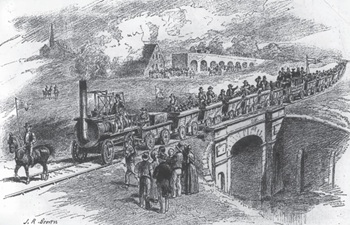
Heritage interests and operational requirements must be balanced.
Historic England publishes research into embodied carbon when retrofitting traditional buildings.

New Prime Minister delivers on ECA call for cut in electricity costs.

CIOB reacts to the announcement of Andy Burnham as Prime Minister.

Heritage and conservation science workforce survey - Have your say.

England's Suburbs 1820-2020. Book review.

New, more proportionate and targeted approach for higher-risk building assessments.

Government brings British Steel into public ownership.

UKCW Birmingham returns with bold new theme and focus.

New guidance published on competence requirements for self-certification schemes.
Construction Management, 8 July

NEETs crisis drives interest in trades, but apprenticeships barriers remain.
Passive fire protection webinar

MEP services penetration seals.